

Last Updated: October 25, 2026
Quick Summary
Yes, sunscreen prevent dark spots from worsening by blocking UV rays that trigger melanin production and darken existing pigmentation. Consistent daily broad-spectrum sunscreen is one of the most effective ways to stop hyperpigmentation from deepening, though it does not erase spots already present.
- Apply a quarter teaspoon of broad-spectrum SPF 50 sunscreen to face and neck every morning, 15 minutes before sun exposure.
- Reapply sunscreen every two hours during sun exposure, or immediately after swimming or sweating.
- Tinted sunscreen with iron oxides provides extra protection against visible light, which can worsen dark spots in melanated skin.
- Dark spots worsen fastest on missed areas like the hairline, ears, sides of nose, upper lip, and jawline.
- Without sunscreen, dark spots will worsen; with consistent use, they stay stable while you address them with targeted treatment.
Table of Contents
- How Sunscreen Prevents Dark Spots From Worsening
- Understanding What Worsens Hyperpigmentation
- Choosing the Best Sunscreen for Dark Spots
- How Often to Reapply Sunscreen Throughout Your Day
- Building Your Daily Sun Protection Routine
- Start Your Consistent Sun Protection Plan Today
- Frequently Asked Questions
How Sunscreen Prevents Dark Spots From Worsening
Yes, sunscreen prevent dark spots from worsening, and consistent sun protection is one of the most effective ways to stop existing hyperpigmentation from deepening. At LUV + CO., we know that consistent sun protection is one of the most effective ways to stop existing hyperpigmentation from deepening.
The key difference matters: prevention and protection are not the same as treatment. When you apply broad-spectrum sunscreen daily to prevent dark spots, you're blocking the UV rays that trigger melanin production and darken existing pigmentation.
This is why dermatologists recommend sunscreen as a cornerstone of any dark spot management plan. Research on sunscreen's role in melasma prevention shows that sun protection can improve hyperpigmentation when paired with other approaches. The data is clear: without sunscreen, dark spots will worsen. With it, they stay stable.
Understanding What Worsens Hyperpigmentation
Dark spots get darker for one reason above all others: UV exposure. When your skin encounters sunlight, it responds by producing more melanin.
UV rays trigger melanin production as a defense mechanism. Your skin is trying to protect itself. But for anyone with existing dark spots, that defense creates a problem. The spots darken faster than surrounding skin.
What most guides skip is that "dark spots" is not one condition. The cause changes how much sunscreen helps and what else you need.
- Sunspots (solar lentigines): Flat, brown marks on areas that get the most sun, like cheeks, nose, and the backs of hands. They are directly tied to cumulative UV exposure, so daily broad-spectrum sunscreen is the single most protective habit. They rarely fade on their own and often need targeted treatment to lighten.
- Melasma: Blotchy, symmetrical patches, commonly on the cheeks, forehead, and upper lip. Melasma is driven by UV and also by visible light and heat, and it is strongly linked to hormonal shifts. This is the type where tinted sunscreen with iron oxides matters most, because standard clear sunscreen blocks UV but not the visible light that can keep melasma active.
- Post-inflammatory hyperpigmentation (PIH): Marks left after acne, eczema, or an injury. PIH darkens when UV hits healing skin, so sunscreen protects against worsening while the mark fades with skin turnover. PIH is more common and more persistent in deeper skin tones because melanocytes respond more vigorously to inflammation.
Several things worsen this process across all three types:
- Direct sun exposure without protection
- Skipping sunscreen on cloudy days (UV rays penetrate clouds)
- Inconsistent application (missing spots or reapplying too late)
- Low SPF or non-broad-spectrum sunscreen (incomplete protection)
- Visible light exposure from screens and indoor lighting (a less common but real factor, especially for melasma)
- Heat and friction (hot kitchens, saunas, tight headwear) can aggravate melasma in some people
The American Academy of Dermatology notes that visible light can worsen sun-related dark spots and recommends tinted sunscreen as an option for additional protection.
[Internal link: Explore natural ways to treat facial hyperpigmentation to understand natural treatment approaches that complement sun protection for managing dark spots.]
Dark spots fall into three main types, each driven by different causes and requiring tailored sun protection approaches.
| Dark Spot Type | Primary Cause | Sun Protection Priority |
|---|---|---|
| Sunspots (solar lentigines) | Cumulative UV exposure | Daily broad-spectrum sunscreen |
| Melasma | UV, visible light, heat, hormonal shifts | Tinted sunscreen with iron oxides |
| Post-inflammatory hyperpigmentation (PIH) | UV exposure during skin healing | Sunscreen during skin turnover |
Choosing the Best Sunscreen for Dark Spots
Not all sunscreens work equally well for hyperpigmentation. The right formula protects your skin without irritating it or leaving a white cast that makes you skip application.
For melanated skin dealing with dark spots, three things matter most:
- Broad-spectrum protection (UVA and UVB rays)
- High SPF (at least SPF 30, ideally SPF 50)
- A formula that doesn't oxidize or turn white on your skin tone
When sunscreen leaves a white or ashy residue, people stop using it. That defeats the entire purpose. Look for mineral sunscreens formulated specifically for deeper skin tones, or tinted options that blend seamlessly.
Broad-Spectrum Protection and SPF Level
Broad-spectrum sunscreen blocks both UVA and UVB rays. UVB rays cause burning and immediate damage. UVA rays penetrate deeper and cause long-term aging and pigmentation changes. You need both blocked. Consistent application serves as the primary defense against further darkening, though active interventions remain necessary when you need to treat sun damage that has already settled into the skin.
SPF measures UVB protection. SPF 30 blocks 97% of UVB rays. SPF 50 blocks 98%. The jump from 30 to 50 is small, but for someone with dark spots, that extra 1% matters over time.
Apply sunscreen generously. Most people use too little. A full face and neck application should use about a quarter teaspoon. If you're using less, you're getting less protection than the SPF number suggests.
Tinted Sunscreen and Visible Light Protection
Tinted sunscreen serves two purposes for dark spots. First, it provides the same UV protection as clear sunscreen. Second, it blocks visible light, which can worsen pigmentation in people with melanated skin.
The American Academy of Dermatology highlights tinted sunscreen as an option for addressing visible-light exposure associated with worsening dark spots. A tinted formula matching your skin tone prevents the white cast that makes many people abandon sunscreen altogether.
This is where shade matching becomes critical. A tinted sunscreen that's too light or too dark won't work. At LUV + CO., our Melanin Analysis system ensures you find a shade that blends seamlessly with your skin, so you'll actually use the sunscreen consistently.
[Internal link: Understand dark spot correctors versus brightening serums and how they work alongside sunscreen in a comprehensive dark spot prevention strategy.]
LUVSKIN Brighten My Day Vitamin C 3-Piece Skincare Set →
How Often to Reapply Sunscreen Throughout Your Day
Reapplication is where most people fail. Applying sunscreen once in the morning isn't enough, and the amount you use matters as much as the frequency.
Start with the right amount. For the face and neck, a common guideline is about a quarter teaspoon total, roughly the length of two fingers squeezed along the index and middle finger.
Coverage matters too. Missed areas are where spots worsen first:
- Hairline and temples
- Ears and the tops of ears
- Sides of the nose
- Upper lip (a common melasma site)
- Jawline and neck
- Any part line or exposed scalp
Reapply sunscreen every two hours during sun exposure, or immediately after swimming or heavy sweating. If you are indoors most of the day and away from windows, you can extend to three hours. But the moment you step outside or your skin gets wet, reset the clock.
For people with dark spots, consistency matters more than any other factor. Missing reapplication windows means hours without protection. Those hours add up to darker spots.
A realistic day looks like this:
- Morning: Apply the full quarter teaspoon to face and neck before you leave the house, about 15 minutes before sun exposure so it sets.
- Midday: Reapply before lunch or before any outdoor time. If you are indoors near windows, this still counts.
- Afternoon: Reapply again if you are outdoors for more than two hours, or after sweating or swimming.
- Evening: Cleanse thoroughly to remove sunscreen and the day's buildup.
Carry a sunscreen stick or powder for easy reapplication over makeup. Liquid sunscreen over makeup can feel heavy and can disturb foundation. A stick or powder lets you reapply without disrupting your complexion products, and it is easy to keep in a bag or at a desk.
Building Your Daily Sun Protection Routine
A sun protection routine for dark spots has three parts: morning application, midday reapplication, and evening assessment.
Morning application:
- Cleanse your face with a gentle cleanser
- Apply your moisturizer (let it absorb for one minute)
- Apply broad-spectrum sunscreen with SPF 50
- Wait two minutes before applying makeup or other products
Midday reapplication:
- Check your skin for shine or moisture loss
- Reapply sunscreen (use a stick or powder formula over makeup)
- If you're indoors all day, reapply once after lunch
Evening assessment:
- Notice which areas got the most sun exposure
- Those areas need extra attention tomorrow
- Use a gentle cleanser to remove sunscreen completely
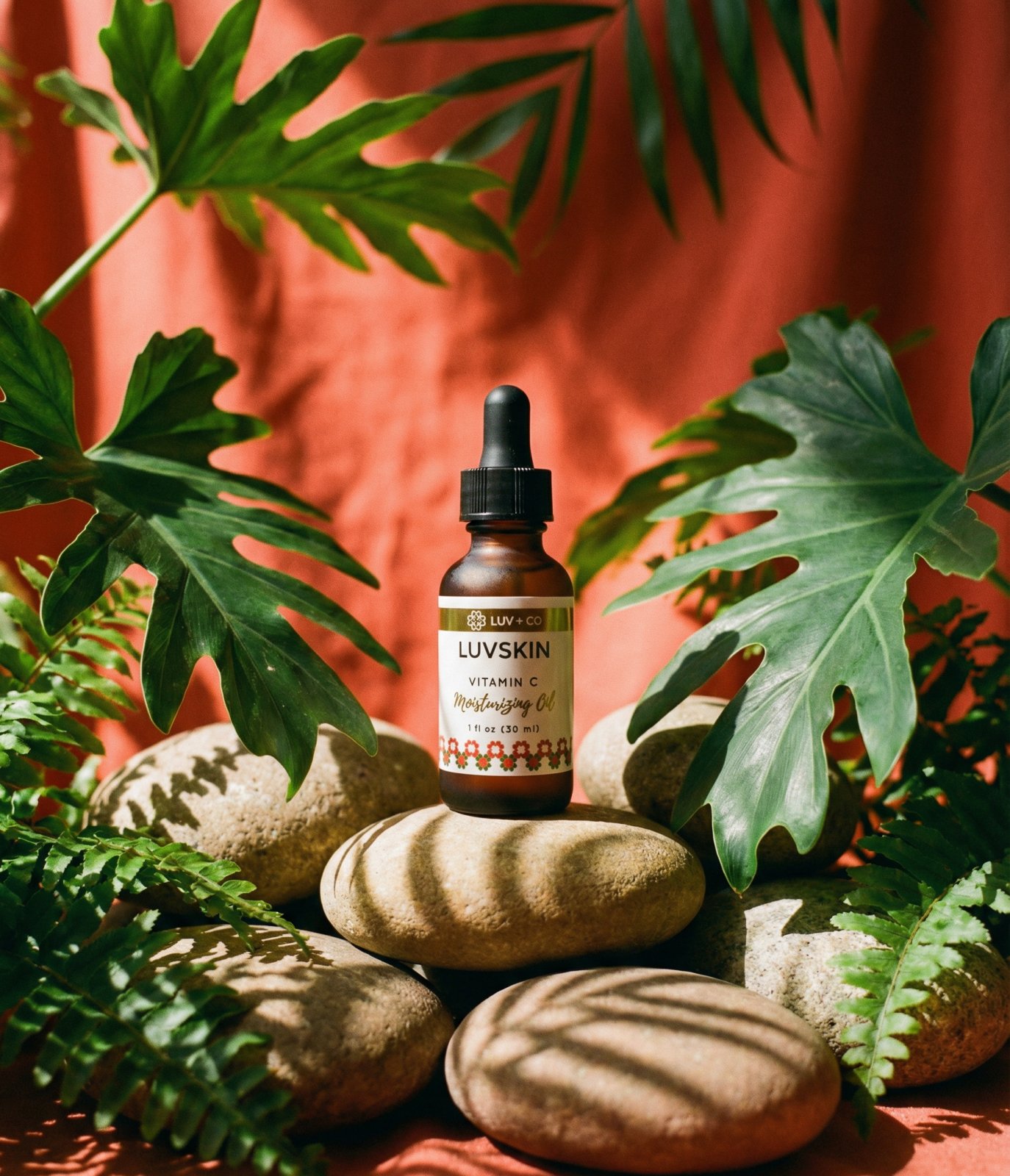
A complete routine also includes a moisturizer with antioxidants. Learn how to build a sensitive skin routine step by step that incorporates sun protection alongside your other skincare products. The LUVSKIN Brighten My Day Vitamin C 3-Piece Skincare Set combines cleansing, hydrating toner, and a vitamin C face oil that supports a brighter complexion.
For sensitive skin, patch test new sunscreen on a small area first. Some formulas contain ingredients that irritate melanated skin. Start with a mineral sunscreen and adjust if needed.
Start Your Consistent Sun Protection Plan Today
Dark spots won't fade without protection. Sunscreen stops them from worsening, which is the first step toward improvement. Pair consistent sun protection with a treatment approach and you'll see results.
The challenge isn't finding the right sunscreen. It's using it every single day, reapplying consistently, and staying committed when you don't see immediate changes. That commitment is where most people quit.
LUV + CO. was created specifically for melanated skin dealing with hyperpigmentation. Our approach combines sun protection with skincare formulas that don't irritate or leave a white cast. Our dye-free moisturizing lipstick and mascara for sensitive eyes are formulated without ingredients that cause irritation.
Start with a broad-spectrum sunscreen SPF 50 applied every morning. Reapply every two hours when you're outdoors. Pair it with a moisturizer that hydrates without clogging.
Frequently Asked Questions
Does sunscreen actually prevent dark spots from getting darker?
Yes, consistent sunscreen use helps prevent UV-induced dark spots from deepening. According to the National Library of Medicine, sunscreen can improve melasma outcomes. However, sunscreen prevents new pigmentation and stops existing spots from worsening, it doesn't fade spots that are already present. To address existing hyperpigmentation, you'll need dedicated pigmentation treatments alongside sun protection.
How often should you reapply sunscreen to help prevent dark spots from getting darker?
Reapply sunscreen every two hours, or immediately after swimming or sweating. Many people underapply initially and skip reapplication, which significantly reduces protection. For melanated skin dealing with hyperpigmentation, consistent reapplication is critical because even brief sun exposure between applications can trigger or worsen dark spots. Set phone reminders during the first few weeks to build the habit.
What worsens hyperpigmentation besides sun exposure?
UV exposure is the primary trigger, but post-inflammatory hyperpigmentation can result from acne, irritation, or aggressive skincare. Visible light from screens and indoor lighting also contributes to darkening, which is why tinted broad-spectrum sunscreen offers additional protection. Inconsistent skincare routines, skipped sunscreen days, and irritating products can also worsen existing spots over time.
What's the best sunscreen for dark spots on melanated skin?
Look for broad-spectrum protection with SPF 30 or higher, applied generously and reapplied every two hours. Tinted sunscreen matching your skin tone prevents the white cast that other products leave and provides visible-light protection. Choose formulas without heavy silicones or ingredients that irritate sensitive skin. LUV + CO.'s skincare sets, like the LUVSKIN Brighten My Day Vitamin C 3-Piece Skincare Set, prepare skin for sunscreen by hydrating and supporting an even complexion.
Consistent sun protection is the foundation. Everything else builds on top of it. Make sunscreen non-negotiable, and your dark spots will stop worsening.
