

Table of Contents
- Why Heavy Foundation Fails on Textured Skin
- How to Prep Textured Skin for Makeup
- Liquid Foundation: Buildable Coverage Without the Weight
- Cream Foundation and Concealer for Targeted Coverage
- Best Skin Tints for Textured Skin
- Lightweight Coverage for Hyperpigmentation Without Buildup
- Application Techniques That Smooth Texture and Prevent Pilling
- Frequently Asked Questions
Last Updated: September 19, 2026
Why Heavy Foundation Fails on Textured Skin
When seeking alternatives to heavy foundation for textured skin, it's important to understand that heavy foundation sits on top of textured skin instead of blending into it. The thicker the formula, the more it clings to uneven surfaces, emphasizing bumps, pores, and scars rather than smoothing them.
When you apply a full-coverage cream or powder foundation to skin with hyperpigmentation, acne scars, or enlarged pores, the product pools in the low spots and skips the high ones. You end up with patchy coverage and a caked appearance that draws attention to exactly what you're trying to minimize.
The real problem isn't coverage, it's weight. Textured skin needs formulas light enough to settle evenly across the surface without gravity pulling them into crevices. This is where alternatives to heavy foundation for textured skin become essential. Lightweight options let you build coverage where you need it while keeping the overall finish natural and skin-like.
How to Prep Textured Skin for Makeup
Preparation is where the real magic happens. A smooth, hydrated base transforms how any foundation, light or heavy, performs on textured skin.
Start with a clean, moisturized face. Textured skin often feels tight or uncomfortable, so hydration is non-negotiable. Apply your regular moisturizer and let it absorb for a minute before moving forward. If your skin tends toward dryness, a hydrating serum with hyaluronic acid underneath the moisturizer creates an extra moisture layer that helps foundation glide on smoothly.
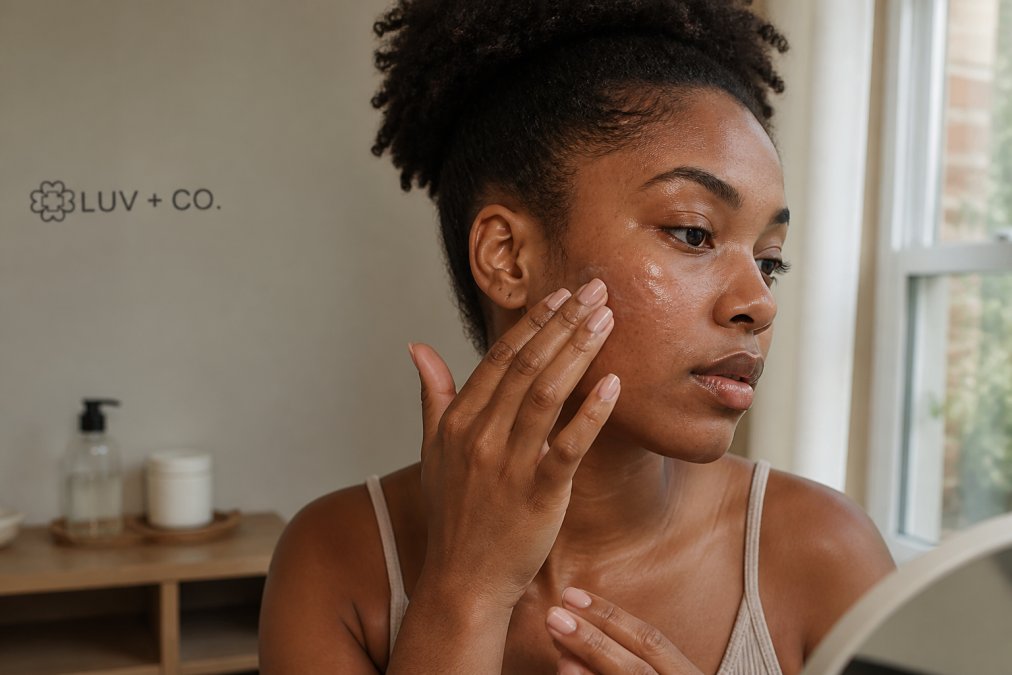
Next, use a primer designed for sensitive skin. The Chamomile Face & Eye Primer for Sensitive Skin creates a smooth canvas without heaviness. Its formula includes chamomile hydrosol, organic jojoba oil, and aloe, ingredients that soothe while creating an even surface for foundation. Apply a thin layer across your entire face, focusing on areas where texture is most pronounced.
Let the primer set for 30 seconds. This small pause allows the formula to create a proper base rather than just sitting on top of your skin. If you have very textured areas, you can apply a second thin layer only where needed, never glob primer onto one spot.
| Prep Step | Purpose | Timing |
|---|---|---|
| Moisturize | Hydrate and plump the skin | 1-2 minutes before primer |
| Apply primer | Create smooth base for foundation | Let set 30 seconds |
| Use setting spray | Lock in hydration and prep | Optional, before foundation |
| Chemical exfoliate | Remove dead skin cells | Night before makeup |
Liquid Foundation: Buildable Coverage Without the Weight
Liquid foundation designed for melanated skin offers the coverage you need without the heaviness that emphasizes texture. The key is choosing a formula with the right hydrating ingredients and applying it strategically.
Melanin Match Liquid Foundation provides medium, buildable coverage specifically created for melanated skin with hyperpigmentation concerns. The formula contains sodium hyaluronate, a form of hyaluronic acid that attracts moisture, plus organic jojoba seed oil. These ingredients mean the foundation hydrates while it covers, so it doesn't sit on top of textured areas like a mask.

Apply liquid foundation with a damp makeup sponge rather than a brush or your fingers. The sponge helps the formula settle into the skin instead of sitting on the surface. Start with a small amount, about a pea-sized drop for the entire face. Dab and press the sponge across your skin, using a bouncing motion rather than dragging.
Build coverage gradually. Apply one light layer all over, then add a second layer only to areas where you need more coverage. This approach prevents the heavy, cakey finish that happens when you apply too much product at once.
The 16 shades available across multiple undertones mean you can find a true match without settling for something that looks ashy or orange on your skin. This matters more than people realize, a shade that doesn't match your undertone will look obviously applied, which draws attention to texture rather than away from it.
Cream Foundation and Concealer for Targeted Coverage
When you need more coverage than liquid foundation provides but still want to avoid heaviness, cream foundation offers a concentrated alternative. Use it strategically rather than all over the face.
Melanin Match HD Cream Foundation + Concealer delivers medium-to-full buildable coverage in a creamy texture that blends smoothly without feeling thick. The concentrated formula means you use less product overall, which prevents the buildup that emphasizes texture. Because it's designed as both foundation and concealer, you can apply it all over for fuller coverage or use it only where you need it most.

For textured skin, the targeted concealer approach often works better. Apply the liquid foundation all over your face for even coverage, then use the cream foundation only on areas with visible hyperpigmentation, dark spots, or acne scarring. This hybrid approach gives you the coverage you need without overloading textured areas.
Melanin Magic Tinted Translucent →
The 14 shades in the HD Cream collection intentionally focus on deeper melanated complexions, which means richer pigmentation that blends naturally into your skin rather than sitting on top of it. Apply with a small concealer brush using a pressing motion rather than rubbing.
Best Skin Tints for Textured Skin
These formulas blur imperfections without the weight of full-coverage products.
Lightweight Coverage for Hyperpigmentation Without Buildup
Hyperpigmentation requires coverage that won't pile up or look cakey. The solution is using the right formula in the right way rather than applying more and more product.
Start with a primer. The Chamomile Face & Eye Primer creates a smooth base while its botanical ingredients help calm the skin. Apply it only to areas with visible hyperpigmentation rather than your entire face, this prevents unnecessary buildup where your skin is already clear.
Choose a liquid or cream foundation with good undertone matching. A foundation that matches your undertone will cover hyperpigmentation more effectively than one that's slightly off-shade. You'll need less product overall because the color match does more of the work.
Apply foundation in thin layers, focusing on hyperpigmented areas. Use a damp sponge to press the formula into the skin rather than buffing it on. After each layer, check your coverage in natural light before adding more. Most hyperpigmentation can be minimized with two light layers rather than one heavy layer.
Set your foundation with Melanin Magic Tinted Translucent Setting Powder. Unlike traditional white translucent powders that can look ashy on deeper skin, this semi-translucent mineral powder is tinted to complement melanated complexions. It sets your foundation and reduces shine without adding visible buildup.

| Coverage Method | Best For | Application |
|---|---|---|
| Liquid foundation, light layers | Even tone, mild hyperpigmentation | Dab with damp sponge |
| Cream foundation, targeted | Severe hyperpigmentation, dark spots | Press with concealer brush |
| Skin tint, sheer coverage | Minimal texture, light evening | Fingers or sponge |
| Powder setting | All types | Light dusting with brush |
Application Techniques That Smooth Texture and Prevent Pilling
How you apply foundation matters as much as which formula you choose. The right technique prevents pilling, separation, and the uneven appearance that emphasizes texture.
Use a damp makeup sponge rather than a brush. A sponge bounces the formula into the skin instead of dragging it across the surface. Dampen the sponge with water or setting spray, the moisture helps the foundation blend seamlessly without tugging on textured areas. The Makeup Blending Sponge designed for sensitive skin is latex-free and shaped to reach all areas of your face.
Press and dab rather than rub or buff.
Frequently Asked Questions
What type of foundation is best for textured skin?
Lightweight, buildable formulas work best for textured skin. Liquid foundations with hydrating ingredients like hyaluronic acid and jojoba oil provide medium coverage without settling into pores or fine lines. Cream foundations offer targeted coverage for hyperpigmentation without requiring heavy layering across the entire face. The key is choosing formulas that smooth texture through hydration rather than thick pigment.
How do I prep textured skin for makeup application?
Start with a moisturized base, then apply a lightweight primer designed for sensitive skin. The primer smooths the skin's surface and creates an even base for foundation. Use a primer infused with soothing ingredients like chamomile and aloe to avoid irritation. Apply the primer in thin layers, focusing on areas where texture is most visible. This step prevents foundation from catching in pores and helps it wear longer throughout the day.
Can I use tinted moisturizer or skin tint instead of foundation for hyperpigmentation coverage?
Tinted moisturizers and skin tints provide sheer to light coverage and work well for minor discoloration or as a base layer. For visible hyperpigmentation, they typically need layering with a concealer or cream foundation in targeted areas. Some formulas are specifically designed as complexion enhancers rather than full coverage, making them ideal for textured skin when combined with strategic concealing. Test samples first to confirm coverage meets your needs.
Why does heavy foundation look cakey on textured skin?
Heavy foundations settle into enlarged pores, fine lines, and acne scars, emphasizing texture rather than smoothing it. Thick formulas also trap moisture and can cause pilling or separation when applied to uneven skin. Lightweight, hydrating formulas sit on top of the skin more naturally and allow texture to remain visible beneath a sheer-to-medium layer of coverage. Buildable formulas let you add coverage only where needed instead of applying heavy product everywhere.
What ingredients should I look for in foundation for textured, sensitive skin?
Seek formulas with hyaluronic acid to support the skin barrier and maintain hydration. Avoid talc and parabens if you have sensitivity. Non-comedogenic, oil-free formulas prevent clogged pores. Mineral pigments and lightweight textures reduce irritation. Green tea, vitamin E, and resveratrol offer antioxidant support. Always patch-test new products, especially if you have a history of reactions to clean or non-toxic brands.